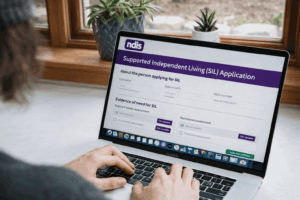
Getting approved for Supported Independent Living (SIL) is a big step, but it is often where new questions begin. Many participants and families expect the process to move quickly from approval to moving in, but in reality there are several important steps in between.
This guide breaks down what typically happens after SIL funding is approved, from finding the right provider through to settling into a new home. Understanding the process early can help reduce delays and lead to a better long term outcome.
💡 Did you know?
Being approved for SIL funding does not automatically mean a home is ready straight away. Finding the right match and setting up supports can take time.
What SIL Approval Actually Means
When SIL is approved in an NDIS plan, it means funding has been allocated for daily living support. It does not mean a placement has already been arranged.
At this stage, the focus shifts to finding a suitable provider, identifying the right home, and ensuring the support model matches the participant’s needs. This part of the process is just as important as the approval itself.
Step 1: Finding the Right SIL Provider
The first step after approval is connecting with SIL providers. This usually involves reaching out, sharing information about the participant, and discussing support needs.
Not all providers operate the same way, so it is important to find one that aligns with the participant’s goals, communication style and preferred living environment.
If you are unsure what to look for, this guide can help:
Choosing an NDIS SIL Provider in Newcastle
Step 2: Matching and Home Selection
Once a provider is involved, the next step is matching the participant to a suitable home. This is one of the most important parts of the process.
Matching considers factors such as personality, routines, support needs and compatibility with housemates. A well-matched home often leads to better stability and long term outcomes.
You can explore current options here:
SIL Vacancies in Newcastle
For more insight into what to look for in a home, see:
SIL Homes in Newcastle: What to Look For
📍 Local insight
In Newcastle and the Hunter region, finding the right SIL match can take time. The best outcomes usually come from careful matching rather than rushing into the first available placement.
Step 3: Transition Planning
Before moving into a SIL home, a transition plan is usually developed. This outlines how supports will be delivered and how the participant will adjust to the new environment.
This stage may include:
- Confirming support ratios and staffing
- Developing routines and daily schedules
- Identifying risks and support strategies
- Coordinating with families and Support Coordinators
A well-structured transition helps reduce stress and creates a smoother move into the home.
Step 4: Moving Into an SIL Home
The move into a SIL home is a significant step. For some participants, this happens gradually with visits and short stays before moving in full time.
The goal is to make the transition feel as comfortable and predictable as possible. Having familiar routines and consistent support staff can make a big difference during this stage.
Step 5: Settling In and Ongoing Support
Once settled, the focus shifts to building routine, confidence and independence. The early weeks often involve adjustments as the participant gets used to the environment, housemates and support structure.
Over time, SIL should support skill development and stability, helping participants feel more comfortable and confident in their daily life.
How Bright Tomorrows Supports the Transition
At Bright Tomorrows, we focus on making the transition into SIL as smooth and supportive as possible. Our approach is centred around careful matching, consistent support and creating stable home environments for men.
We take the time to understand each participant’s needs and work toward placements that support long term independence and wellbeing.
You can learn more about our approach here:
Supported Independent Living Newcastle
Frequently Asked Questions
How long does it take to move into SIL after approval?
Timeframes vary depending on availability, matching and planning. In many cases, it can take several weeks or longer to find the right placement.
Can I choose my SIL home?
Participant choice is important. While availability can influence options, providers aim to match participants to suitable homes where possible.
Do I move in straight away after approval?
Not usually. There is typically a matching and planning process before moving into an SIL home.
What if the first SIL home is not the right fit?
Adjustments can be made if needed. Finding the right environment is important, and providers can work with participants to improve the situation.
Key Takeaways
- SIL approval is just the first step, not the final outcome.
- Finding the right provider and home takes time and planning.
- Matching and compatibility are critical for long term success.
- A structured transition helps create a smoother move.
- Strong support and routine build confidence and independence over time.
If you are exploring SIL options or have recently been approved, you can reach out via our
contact page to start a conversation.