
What Happens After You Get Approved for SIL? A Step-by-Step Guide
Got SIL funding approved but not sure what happens next? This guide walks through the full process, from finding a provider to moving into an SIL home.

Supported Independent Living, often referred to as SIL, provides funded support for people with disability who require assistance with daily tasks while living in shared accommodation. While many people understand SIL as practical help with cooking, cleaning or personal care, its long-term impact goes far beyond daily routines.
When delivered well, Supported Independent Living can significantly improve overall quality of life. It builds independence, strengthens confidence, supports social connection and creates long-term stability. This article explores how SIL supports meaningful progress over time.
💡 Did you know?
Supported Independent Living funding covers the support delivered in the home, not just supervision. The goal of SIL is to build skills and independence wherever possible.
One of the most important benefits of Supported Independent Living is the development of practical life skills. Participants receive structured support with daily activities such as meal preparation, personal care, budgeting, medication management and maintaining routines.
Over time, many people develop greater confidence in managing aspects of their own day. With the right support model, SIL encourages gradual skill development rather than long-term dependence. Small improvements in daily capability can have a significant impact on overall quality of life.
Consistency plays a major role in wellbeing. Supported Independent Living provides a stable environment where participants can establish predictable routines. Regular support staff, structured days and a calm home setting often reduce stress and uncertainty.
When daily life feels stable, individuals are more likely to focus on goals, community participation and personal growth. Stability often leads to increased self-esteem and a stronger sense of security.
Quality of life is closely linked to social connection. SIL homes provide opportunities to build relationships with housemates and support staff in a shared environment.
Beyond the home, Supported Independent Living also encourages participation in community activities. Whether it involves attending programs, exploring hobbies or developing friendships, SIL can create pathways to meaningful social engagement.
No two SIL participants are the same. One of the strengths of NDIS Supported Independent Living is that support levels are based on individual needs and goals.
As skills develop or circumstances change, support arrangements can be reviewed and adjusted. This flexibility ensures that SIL remains aligned with personal goals and promotes long-term progress rather than stagnation.
📍 Local insight
In Newcastle and the Hunter region, strong SIL outcomes often depend on thoughtful matching and stable support teams. When the environment feels settled, participants are more likely to build independence and confidence over time.
The physical home is important, but compatibility within the household is equally critical. A well-matched SIL environment considers routines, communication styles and support needs.
When participants feel comfortable in their home, they are more likely to engage, build relationships and develop life skills. Quality of life improves when people feel respected, safe and supported in their daily living environment.
To understand how SIL works in practice, you can explore our detailed guide: What Is Supported Independent Living and How Does It Work?
If you would like to learn more about Supported Independent Living options, visit our Supported Independent Living Newcastle page or contact our team to discuss your situation.

Got SIL funding approved but not sure what happens next? This guide walks through the full process, from finding a provider to moving into an SIL home.


Not all SIL homes offer the same experience. This guide explains what a good SIL home should include and what participants and families should look for when choosing the right fit.
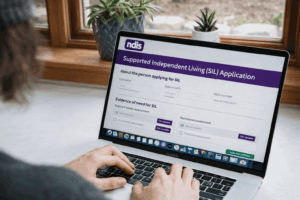
Learn the NDIS SIL requirements, who qualifies for Supported Independent Living, and what evidence is needed to get SIL funding approved.

Many NDIS plans go under-utilised, leaving funding unused and support unmet. This guide explains why it happens and what participants and families can do to use their NDIS funding more effectively in 2026.

Many NDIS plans go under-utilised, leaving funding unused and support unmet. This guide explains why it happens and what participants and families can do to use their NDIS funding more effectively in 2026.

Preparing for an NDIS plan review in 2026? Learn what evidence to gather, what to review, and how to get ready before your next NDIS planning meeting.
Bright Tomorrows are your local SIL specialists in Newcastle, focused on delivering high-quality, personalised support for men living with disability. We prioritise your needs, your independence, and your long-term goals, providing consistent care in a safe, structured environment you can rely on.
© 2025 Your SIL Specialists | Bright Tomorrows.