For many men living with disability, moving toward independence is a gradual journey that requires routine, structure, and the right support. In Newcastle, Supported Independent Living (SIL) plays a key role in helping participants build daily living skills that support long-term independence. These skills become the foundation for confidence, resilience, and improved quality of life.
This guide explores how independent living in Newcastle is supported through SIL, what daily skill development looks like, and why the right environment makes such a difference for participants and their families.
What Independent Living Really Means
Independent living is not about doing everything alone. Instead, it’s about having the right balance of support and autonomy to carry out daily activities safely and confidently. For many participants, this balance is created through routine, positive reinforcement, and structured learning opportunities.
Bright Tomorrows supports men aged 17 to 35 who benefit from predictable environments where they can learn skills gradually and build confidence at their own pace. These are the foundations of meaningful, long-term independence.
The Role of SIL in Building Daily Skills
Supported Independent Living helps build skills through real daily routines. Unlike short-term programs, SIL provides ongoing, consistent support that fits naturally into the participant’s lifestyle. This allows skills to develop in a practical, sustainable way.
In a SIL home in Newcastle, skill development may include:
- Cooking and meal preparation – learning how to follow recipes, cook safely, and plan meals
- Cleaning and home organisation – building routines that keep the home tidy and comfortable
- Personal care – understanding hygiene routines, grooming, and managing personal spaces
- Budgeting and money management – using money, learning the value of items, and making safe purchasing decisions
- Social skills – building friendships, communicating needs, and participating in shared activities
- Community engagement – navigating the Newcastle community, accessing services, and travelling safely
These skills are supported gradually, with staff offering prompts, guidance, and encouragement. Over time, participants become more confident and capable in daily tasks, leading to greater independence.
For a broader introduction to SIL supports, see our foundational guide:
What Is Supported Independent Living and How Does It Work Under the NDIS?
How Newcastle Supports Independent Living
Newcastle is uniquely positioned to support independence. The region offers easy access to public transport, medical services, community activities, beaches, shops, and educational opportunities. These local features help participants apply their skills in real community settings.
For example, a structured weekly routine might involve:
- Shopping at Coles or Woolworths for meal planning
- Walking or catching public transport to local parks
- Visiting local centres such as Charlestown Square or Marketown
- Attending community groups, men’s programs, or social activities
Each of these activities builds independence and supports emotional wellbeing. Newcastle’s size and accessibility make it the ideal environment for participants who benefit from a balance of routine and community engagement.
The Importance of Predictability and Routine
Many men thrive in environments that are calm, predictable, and structured. Routines create stability, which is essential for learning new skills and feeling safe. Predictability also helps participants understand what is expected each day, reducing anxiety and improving focus.
Bright Tomorrows builds routine into daily life through structured supports, calm home environments, and consistent staff members. This approach helps participants develop independence in a way that feels achievable and supportive.
Why the Right SIL Environment Matters
The effectiveness of independent living supports often depends on the environment itself. A positive environment encourages participation, reduces stress, and helps participants feel motivated to learn. This is particularly true in SIL homes designed for men.
A good SIL environment includes:
- Clear household expectations and routines
- A calm and respectful shared atmosphere
- Compatible housemates
- Staff who understand the participant’s goals
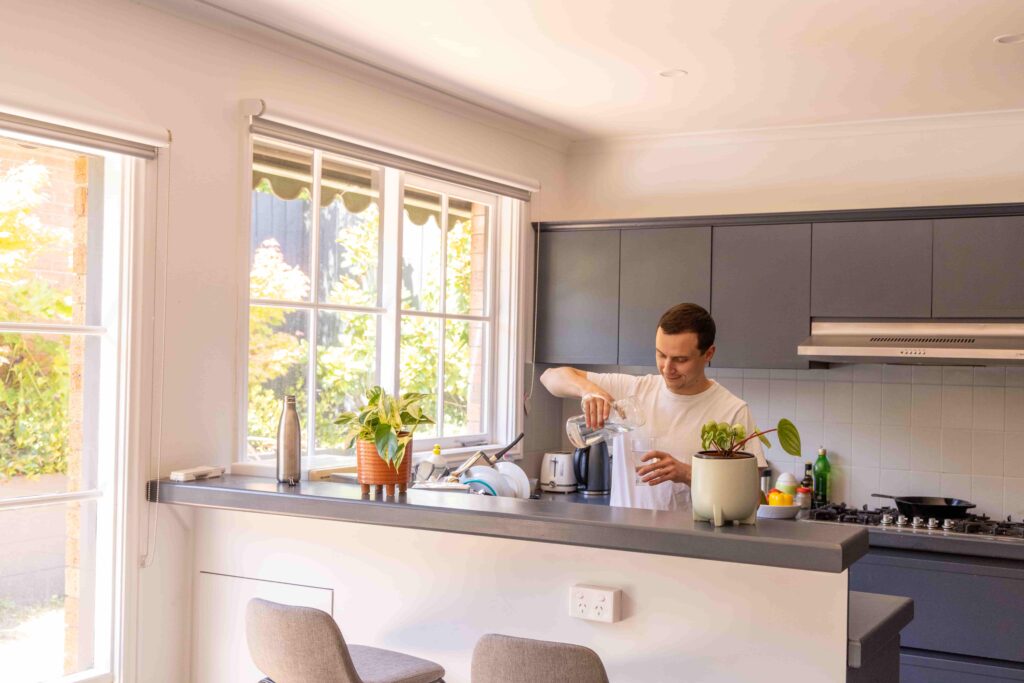
- Spaces that promote independence (kitchen, laundry, garden areas)
You can explore current SIL vacancies in Newcastle to see available home environments:
View SIL Vacancies