

Choosing an NDIS SIL Provider in Newcastle: 7 Questions to Ask

Share on facebook
Share on linkedin
Share on twitter

💡 Did you know?

Choosing the right NDIS SIL provider in Newcastle can improve outcomes, compatibility, and long-term independence. Asking the right questions up front helps families and support coordinators make confident decisions.

Finding the right Supported Independent Living (SIL) provider is one of the most important decisions for anyone exploring NDIS housing in Newcastle. The right provider doesn’t just offer accommodation — they help participants build skills, confidence, and lasting independence. Below are seven essential questions to ask when choosing a SIL provider in Newcastle so you can make an informed, confident decision.

1. Understanding the Type of Support Offered

Before anything else, clarify what kind of support the provider actually delivers. Some NDIS SIL providers in Newcastle focus on daily living skills such as cooking, cleaning, and budgeting, while others offer higher levels of assistance including overnight or complex care. Ask for examples of daily routines, support ratios, and how flexible the services are if your needs change.

A good provider will tailor support to individual goals rather than using a one-size-fits-all approach. This ensures that every participant receives the right level of help to move toward genuine independence.

2. Staff Training and Compatibility

Staff are the heart of every SIL home in Newcastle. When meeting with providers, ask about staff qualifications, ongoing training, and how they match participants with compatible support workers. Personality and communication style matter just as much as experience, especially in shared living settings.

Bright Tomorrows, for example, focuses on creating male-only environments where participants feel respected, supported, and understood — an approach that fosters real trust and stability.

3. Transparency Around Costs and Funding

It’s important to know exactly what you’re paying for. SIL funding through the NDIS covers staff support and assistance, but it does not include rent, utilities, or personal expenses. A quality provider will clearly outline what’s included in your plan, how billing works, and when reviews occur.

Before signing anything, ask for a written service agreement and make sure there are no hidden costs. Understanding funding up front prevents confusion later and allows for smoother coordination with your NDIS plan manager.

🌻 Local Insight

Bright Tomorrows supports men across Newcastle, Lake Macquarie, and the Hunter region with safe, high-quality Supported Independent Living. Learn the basics in our guide: What Is Supported Independent Living?

4. Safety and Independence in Shared Homes

Safety and independence should always go hand in hand. Ask the provider how they maintain a secure environment while still encouraging personal freedom. This includes building accessibility, emergency procedures, and support during night hours.

Bright Tomorrows’ SIL homes across Newcastle are designed to balance structure and autonomy — helping men live confidently while being supported by a trusted team.

5. Communication and Collaboration

Effective communication between participants, families, and staff builds a strong foundation for long-term success. Ask each provider how they handle feedback, care reviews, and goal updates. Regular collaboration ensures that supports evolve with the participant’s needs rather than staying static.

Look for a provider who values open communication and transparency — signs that they see participants as partners, not just clients.

6. Culture, Inclusion, and Lifestyle

Every participant deserves to feel included and respected. Ask how the provider promotes community involvement, social interaction, and inclusion for men living with disabilities. Do they encourage outings, hobbies, and skills development beyond the home?

The right provider will see independence as more than just daily tasks — it’s about belonging, purpose, and connection to the local Newcastle community.

7. Reviewing Reputation and Reliability

Finally, take time to research the provider’s reputation. Read testimonials, check Google reviews, and speak with coordinators or families who have worked with them. Ask how long they’ve operated in the Hunter region and what makes them different from other NDIS SIL homes in Newcastle.

Experience matters — especially when it comes to consistency of care and understanding the unique needs of participants in Supported Independent Living.

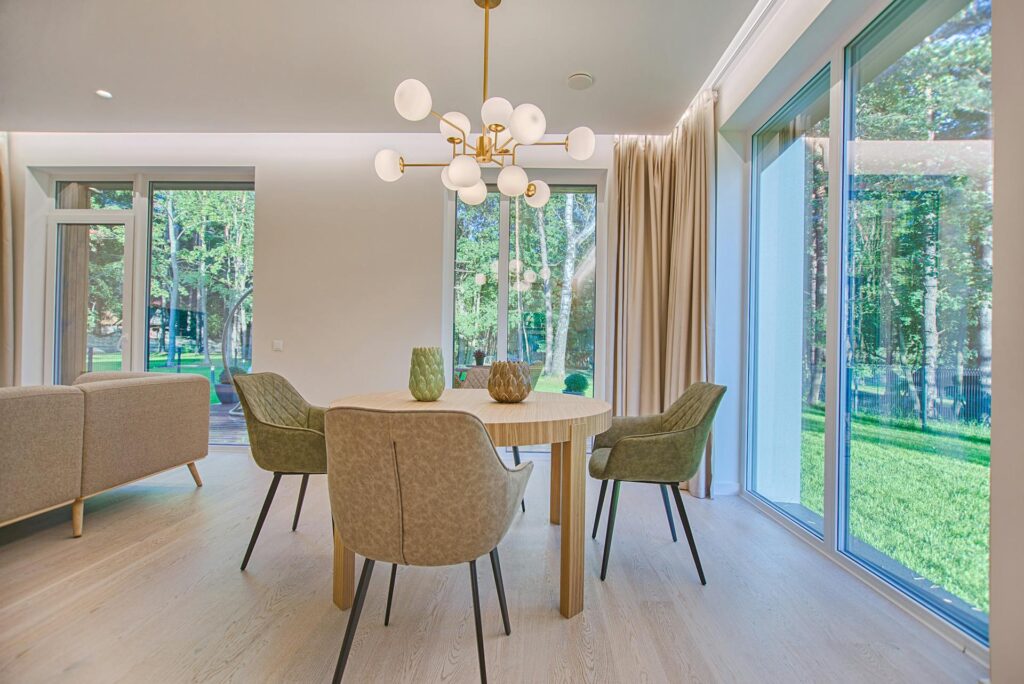
Disabled man in newcastle SIL home

Why Bright Tomorrows Is a Trusted Newcastle SIL Provider

Bright Tomorrows is a locally based NDIS SIL provider in Newcastle that focuses exclusively on male participants. Their person-centred approach ensures every man receives tailored support, comfortable housing, and meaningful opportunities for growth.

Each SIL home is built around stability, respect, and empowerment — with consistent support staff who understand the value of routine, community, and dignity. You can learn more about the team and values on the About Us page.

When selecting a SIL provider in Newcastle, take your time, ask the right questions, and choose a team that puts people first. The right environment can make all the difference in long-term wellbeing and independence.

Frequently Asked Questions

What should I ask a SIL provider during the first call?
Start with support hours, staff training, and how they match housemates. Ask about current SIL vacancies in Newcastle, typical routines, and how progress is measured. Review our overview of SIL here: Supported Independent Living guide.
How do I compare different NDIS SIL providers in Newcastle?
Compare the type of support offered, staff ratios, compatibility process, safety practices, and transparency around costs and reporting. Visit homes where possible and speak with the team about goals and independence.
Do SIL costs include rent and utilities?
No. SIL funding covers support staff and assistance, not rent or everyday living costs. For background on how SIL works under the NDIS, see our primer: What is SIL?.
Can I see example routines or goals before deciding?
Yes. Ask the provider for example daily routines, goal-setting approaches, and how they report progress. This helps you assess whether the environment supports independence and community connection.

Key Takeaways

  • Clarify the type of support offered, staff training, and how housemates are matched.
  • Look for transparency around costs and funding. SIL covers support staff, not rent or utilities.
  • Prioritise safety and independence in shared homes, with clear routines and progress tracking.
  • Review the basics of Supported Independent Living in Newcastle before shortlisting providers.

More NDIS Insights: